What to check before ordering a washable rug
The word washable is only the beginning. Look at the whole cleaning process, from lifting the rug to drying it flat enough to use again.
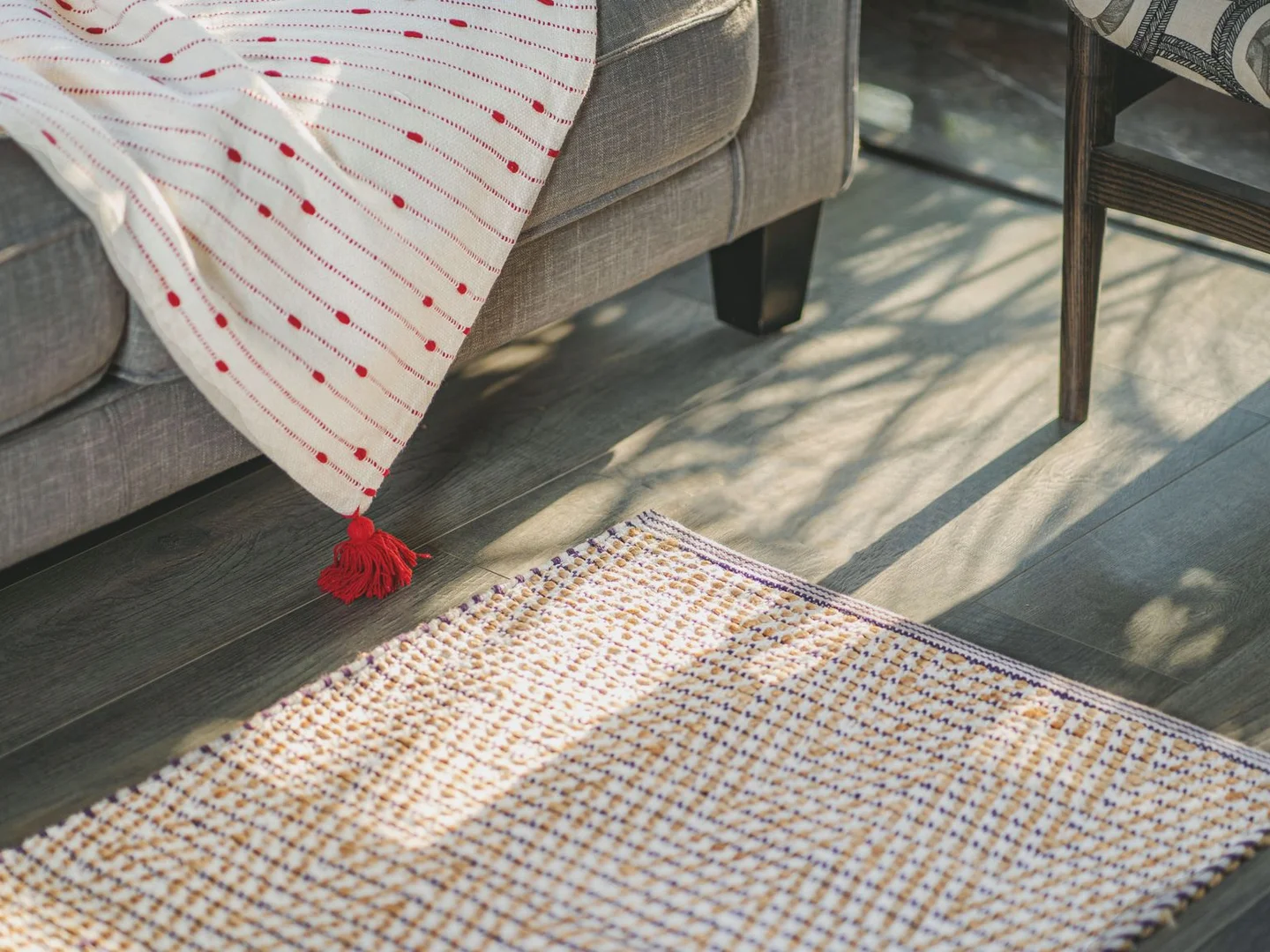
A washable rug still has to fit somewhere when it is wet. Before ordering one, think through the route from the room to the washer and then to the place where it will dry. A small kitchen runner and a large living-room rug can carry the same washable label while asking very different things of your laundry routine.
Find out exactly what gets washed
Some systems separate into a thin top layer and a pad; others are a single piece. Read the instructions for the exact size, because washing guidance for a small version may not apply to its largest counterpart. Check whether the pad is washable too and how spills underneath the top layer should be handled. The attractive photograph rarely shows that second cleaning job.
Compare the manufacturer's washer requirements with your appliance manual. A rug that can be pushed through the door is not necessarily suitable for the drum or load limits. Thickness, backing and the weight when wet all matter. The care tag should explicitly permit the process you intend to use; a washable description alone does not establish which machine cycle is suitable. If the stated requirement is unclear, ask before buying instead of relying on a reviewer's different appliance.
Compare a runner with a room-sized rug
Imagine a kitchen with a narrow washable runner and a dining area beside it. The runner might be easy to lift and wash, but it will not address crumbs under the dining chairs. A larger rug could cover that area, yet it may require a different machine and considerably more drying space. Decide which problem you are solving before choosing the largest version of the same design.
For the dining area, mark the rug's proposed edge and pull each chair back as someone would when getting up. Notice whether the legs move on and off the edge. Then imagine lifting the rug while the table is still in place. A washable surface that requires moving heavy furniture every time may be washed less often than expected. The product can be washable while the room arrangement makes washing impractical.
A removable top layer may reduce the weight being carried, but reassembly matters too. Read how it aligns with the pad, whether two people are recommended and how wrinkles are handled. If the top must be spread carefully across a large pad, leave enough working space to do that. A short demonstration video can reveal the process more clearly than a claim about easy care.
You may decide on a smaller rug in the genuinely messy zone and leave the rest of the floor uncovered. Or the larger rug may be worth the maintenance because it defines the room. Both decisions are reasonable when the cleaning effort has been considered before purchase rather than discovered during the first spill.
Plan the drying space
Check whether the rug can tumble dry, must air-dry or needs a particular setting. If it needs to lie flat, identify a space large enough where it will not create an obstacle. Hanging a heavy wet rug over a narrow rail may be awkward and may not follow its care directions. A household without outdoor drying space might find a smaller washable rug more useful than a large one that is difficult to finish cleaning.
Think about what happens while the rug is out of the room. A separate pad may need moving too, especially where its edge becomes a trip point. Keep the floor dry before replacing either part. “Washable” does not mean you can put the rug straight back down damp or ignore the surface underneath it.
Decide whether the construction suits the room
Request a sample when one is offered. A thin printed surface can be easy to lift yet feel different under bare feet from a thicker woven rug. Look closely at the edge binding, underside and any information about a compatible pad. If the door passes over the rug, check the clearance with the full assembly in mind, not just the fabric layer.
Measure the position on the floor with removable paper markers. In a dining area, allow for chair movement; at an entry, consider the door swing and where wet shoes land. Avoid choosing a smaller size solely because it fits the washer if that creates a narrow strip that never catches the mess you meant to address.
Finally, compare the complete price, including any required pad and return costs. A rug is easier to judge when its footprint, feel and maintenance are considered together. Choose the largest size that genuinely works for both the room and the cleaning routine, rather than treating laundry as a problem to solve after delivery.