Check a table lamp beyond its shade color
A lamp should put light where you need it, fit the surface and be easy to switch on. Its shade is only one part of the purchase.
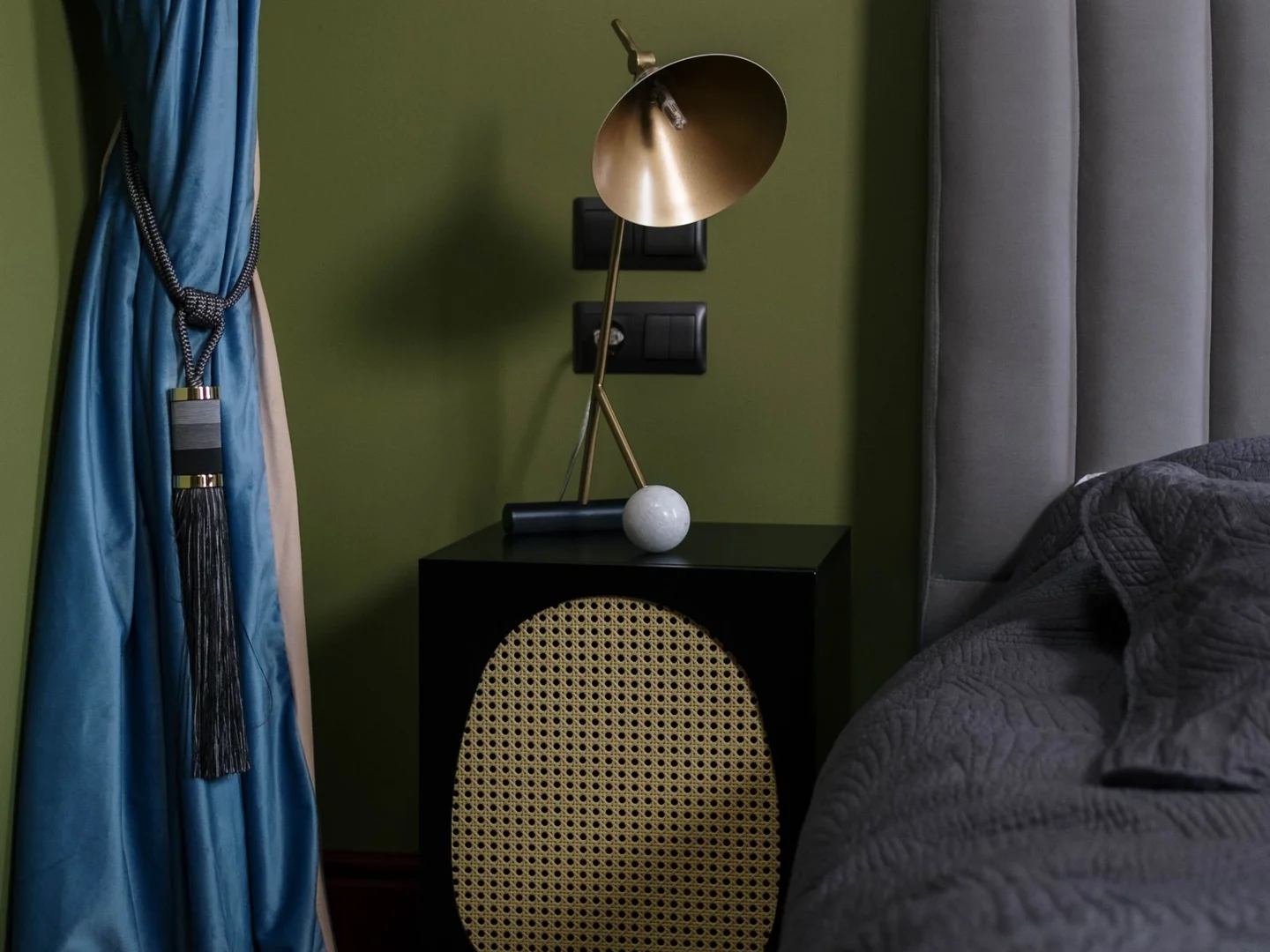
Imagine reaching for the lamp from the chair or bed beside it. Is the switch on the base, halfway down the cord or inside the shade? A beautiful lamp can be awkward if switching it on means leaning behind furniture every evening. Start with that everyday movement, then measure the place where the base and shade will sit.
Check the whole silhouette
The shade may be much wider than the base. Compare its widest dimension with the table and the space beside it, leaving room for anything else that normally lives there. A tall lamp on a narrow bedside shelf can feel top-heavy visually and may be too easy to knock. Follow the maker's placement guidance and keep the cord routed without creating a trip or pulling hazard.
Sit at your usual height and consider where the lower edge of the shade will fall. The goal is useful light without an exposed bulb glaring directly into your eyes. A lamp intended to light a corner gently may not work as a reading light across a deep sofa. Adjustable designs can help direct light, but check that the arm can move through its range without striking the wall or another object.
For a bedside lamp, place the book, phone and water glass where they normally sit, then add the proposed base outline. The shade may extend beyond that outline and still be appropriate, but it should not collide with the wall or hang where a shoulder regularly passes. Check the outlet position too; an otherwise suitable lamp may have a cord too short for the intended route.
If comparing a pair of lamps, decide whether matching size is actually needed. Different bedside tables or reading positions may call for different heights. Similar materials can connect two lamps while allowing each to serve its side of the bed.
Read the bulb information
Find the required base, bulb shape and maximum permitted wattage. Do not exceed the fixture's rating. For brightness, compare lumens, which describe light output, rather than assuming a higher wattage always means more light. Check dimmer compatibility if the lamp has one, because a dimmable bulb and a compatible control need to work together.
The shade changes the result too. An opaque metal shade directs light differently from translucent fabric. A dark lining or narrow opening can make a lamp feel more focused even when the bulb is bright. Look for photographs with the lamp switched on, but remember that camera exposure can exaggerate both warmth and brightness.
Consider whether you can replace the shade or light source later. An integrated LED lamp may have different repair options from one with a standard replaceable bulb. Neither detail is obvious from the front photograph. Read the specifications and warranty information for the actual model rather than assuming all lamps in the collection are built alike.
Before ordering, put a cardboard outline or another object with roughly the same footprint on the table. Leave it there through an ordinary evening. If there is no comfortable place for a glass or book once the lamp is accounted for, a wall light or narrower design may suit the space better. The right scale is the one that leaves the surface useful.